How Cryptocurrency Networks Are Redefining Transaction Flows Across Emerging Gaming Platforms
Clara Baumann · Aug 20, 2026
How Cryptocurrency Networks Are Redefining Transaction Flows Across Emerging Gaming Platforms
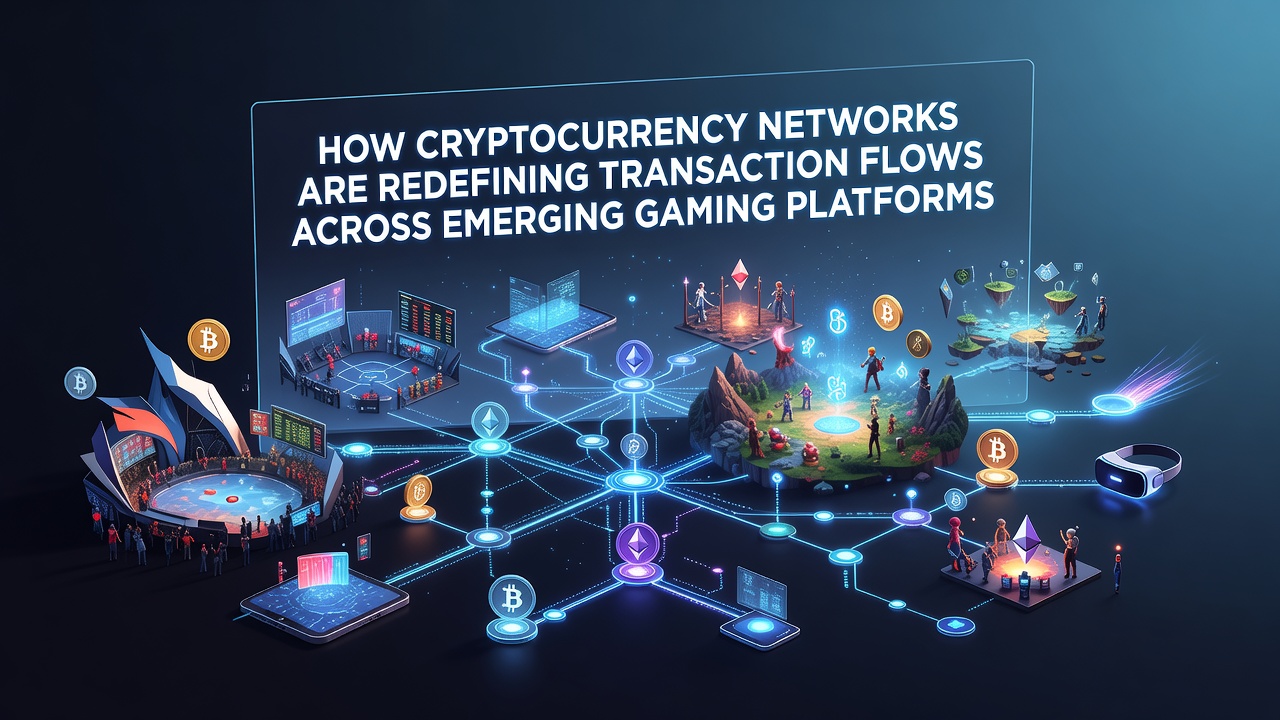
Emerging gaming platforms have started integrating cryptocurrency networks to handle in-game purchases, asset transfers, and player rewards through decentralized ledgers that process transactions directly between users, and data from multiple regions shows this shift gained momentum by August 2026 as developers adopted protocols such as Solana and Polygon for their low-latency capabilities.
Traditional payment systems rely on centralized processors that add fees and delays, whereas cryptocurrency networks enable near-instant settlements with reduced intermediaries, which allows game operators to route microtransactions across borders without currency conversion hurdles that often slow down conventional banking rails.
Blockchain Integration Patterns in New Gaming Ecosystems
Developers building on emerging platforms have embedded wallet connectivity into game clients so players can send and receive tokens for virtual items, and researchers at institutions tracking adoption rates note that these integrations cut settlement times from days to seconds in many cases, while smart contracts automate reward distribution based on player achievements logged on-chain.
One study released in mid-2026 highlighted how platforms using layer-2 solutions achieved transaction costs below one cent per action, a figure that encouraged smaller studios to experiment with play-to-earn mechanics without relying on third-party billing services that previously dominated the market.
Speed, Cost, and Cross-Border Flow Improvements
Network upgrades completed before August 2026 delivered throughput exceeding 65,000 transactions per second on select chains, which gaming firms leveraged to support real-time economies where players trade skins or resources across regions, and evidence from industry reports indicates these changes eliminated many of the bottlenecks that once limited global participation in digital marketplaces.
According to figures compiled by the European Securities and Markets Authority, cryptocurrency-based gaming transactions grew steadily through 2025 into 2026 as regulatory clarity improved in several jurisdictions, allowing platforms to route payments via stablecoins that maintain value stability during high-volume periods.
Regulatory and Infrastructure Developments Across Regions
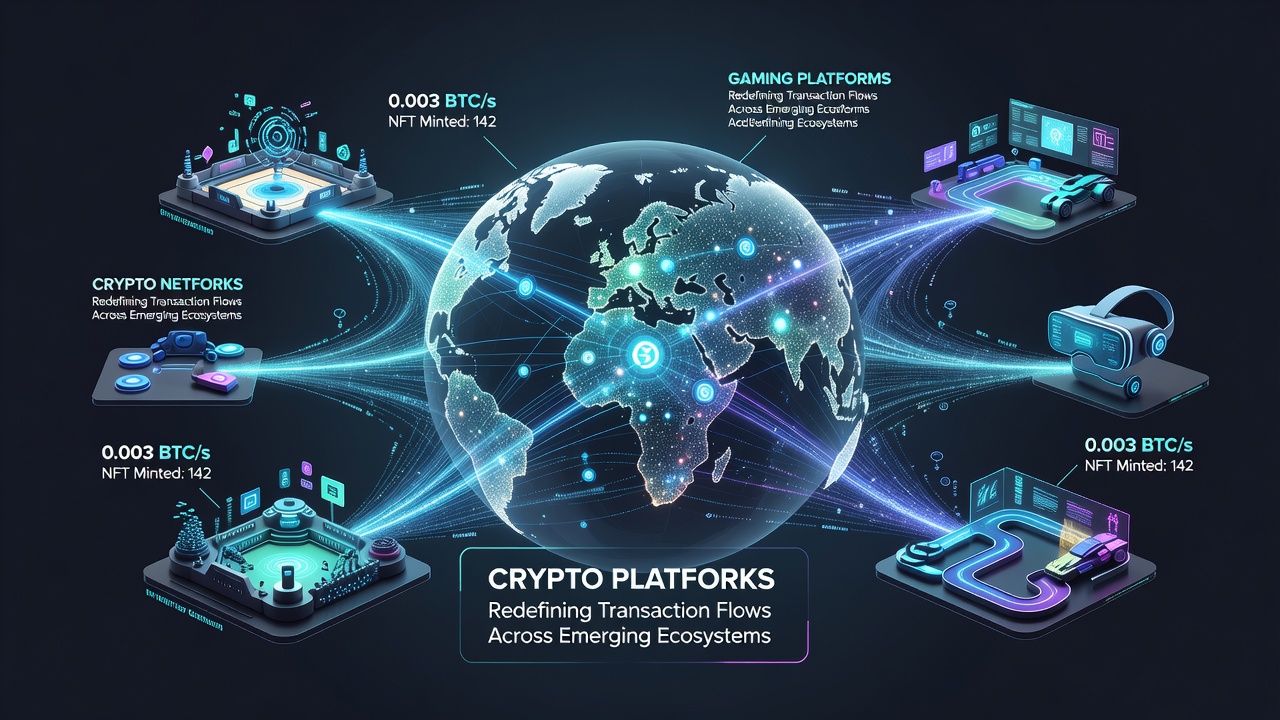
Authorities in Australia and Singapore issued updated guidance on digital asset use in entertainment applications during 2026, which clarified tax treatment and licensing pathways for platforms that incorporate crypto settlement layers, and this framework encouraged operators to expand their transaction networks beyond domestic borders while maintaining compliance records on distributed ledgers.
Academic papers from Canadian universities examining transaction graphs found that crypto networks reduced chargeback rates in gaming environments because irreversible transfers removed the reversal mechanisms that traditional card processors often faced, and developers responded by building dispute resolution tools directly into smart contract code.
What's notable is how these networks also support interoperability between different game titles, letting players move assets from one platform to another through standardized token standards, and trade groups tracking the sector report that such features appeared in multiple launches scheduled for the second half of 2026.
Case Examples from Platform Deployments
Teams at several independent studios documented how switching to cryptocurrency rails for in-game economies allowed them to reach users in markets where banking access remains limited, and logs from these deployments show daily transaction volumes rising sharply once wallet onboarding simplified through social login options tied to blockchain addresses.
Observers tracking adoption patterns note that platforms combining cryptocurrency with existing payment options saw hybrid flows where users started with fiat on-ramps before migrating to native token systems for repeated small transfers, and infrastructure providers supplying node services expanded capacity in advance of expected demand spikes around major game releases.
Conclusion
Cryptocurrency networks continue to alter how value moves inside emerging gaming platforms by replacing slow, fee-heavy pathways with direct, programmable transfers that operate around the clock, and the patterns observed through August 2026 suggest further refinements in scalability and regulatory alignment will shape the next wave of platform launches. Data from regulatory bodies and research groups shows measurable increases in transaction efficiency, while interoperability standards open new possibilities for asset portability across titles. Those monitoring the sector point to ongoing infrastructure investments as the key factor that will determine how widely these flows extend into additional markets.