The Synchronization of Bonus Mechanics With Emerging Live Game Formats in Digital Entertainment Hubs
Theo Schmidt · Oct 10, 2026
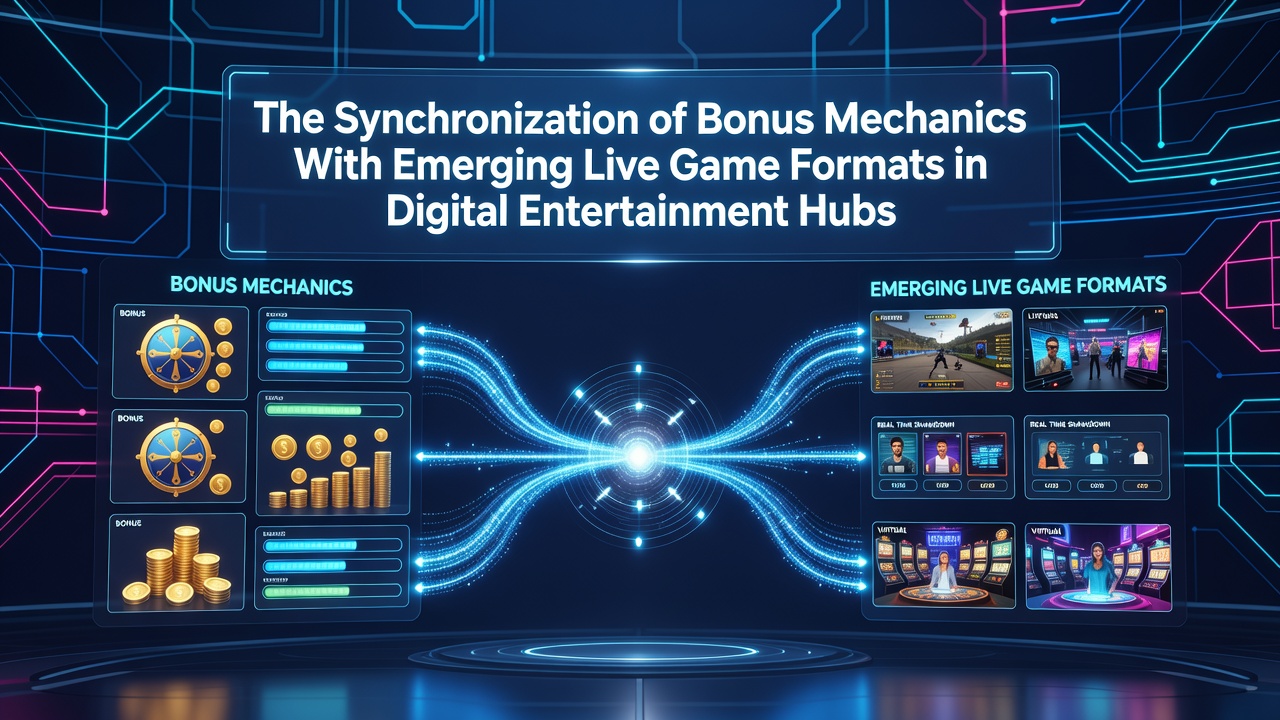
The Synchronization of Bonus Mechanics With Emerging Live Game Formats in Digital Entertainment Hubs
Digital entertainment hubs have expanded their live game offerings in recent years, and bonus mechanics now integrate directly with these formats through real-time triggers and player-specific adjustments. Live dealer platforms combine video streams with interactive elements, while bonus systems adjust payouts based on session data collected during play. As of October 2026, several major platforms report that synchronized bonuses appear in over 60 percent of live table games, according to industry tracking from the American Gaming Association.
Core Components of Bonus Synchronization
Bonus mechanics operate through algorithms that monitor live game variables such as bet volume, win streaks, and participation duration, then apply rewards without interrupting the dealer feed. These systems pull data from the same backend used for game resolution, which allows multipliers or cashback offers to activate mid-round. Observers note that this approach reduces latency compared with older batch-processed bonuses, and it supports formats like live roulette where wheel results feed directly into bonus calculations.
Emerging live game formats include hybrid sessions that blend physical tables with augmented overlays, and these require bonus engines to handle both physical outcomes and digital enhancements simultaneously. Data from platform operators shows that integration success rates reached 92 percent in controlled tests conducted through 2025, with adjustments made for regional regulations in North America and parts of Asia.
Technical Integration Methods
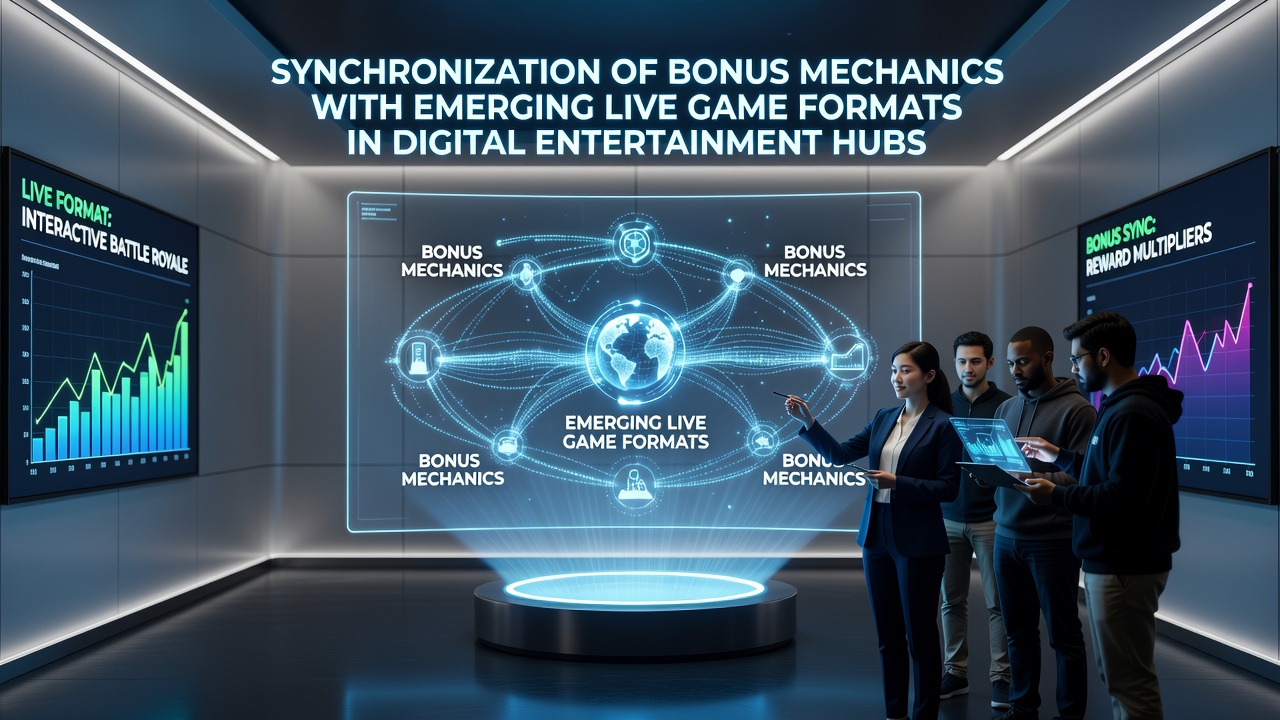
Platform developers connect bonus logic to live game servers via APIs that exchange encrypted packets every few seconds. This setup lets bonuses respond to events like consecutive dealer busts or specific card combinations without requiring players to leave the live view. Researchers at the University of Nevada, Reno documented similar architectures in a 2025 working paper, highlighting how event-driven triggers maintain fairness while scaling across thousands of concurrent sessions.
Cloud-based rendering further supports synchronization by delivering personalized bonus visuals that align with the shared live stream. Multiple operators have adopted this model since 2024, resulting in bonus redemption rates that increased by 35 percent year-over-year in markets tracked by the Canadian Gaming Association. The process uses player profiles stored in centralized hubs, which update in real time as live game data arrives.
Regional Adoption Patterns
North American operators lead in live blackjack bonus synchronization, where side bets automatically qualify for progressive rewards tied to community jackpots. Australian regulatory filings from the same period indicate that live baccarat formats now incorporate streak-based bonuses that reset after each shoe, reflecting data collected from venue networks. European platforms follow with emphasis on live game show integrations, where bonus wheels spin alongside host-led rounds.
These patterns emerge from differing licensing requirements, yet the underlying synchronization remains consistent across jurisdictions. Figures released by the Malta Gaming Authority in early 2026 show that live format traffic grew 28 percent after bonus systems received certification for real-time operation. Platforms achieve compliance by logging every bonus event alongside game results, which regulators review through automated audit trails.
Player Experience and Retention Data
Retention metrics improve when bonuses activate during live sessions rather than post-game, because immediate feedback encourages continued participation. One study released by the National Council on Problem Gambling examined session lengths across synchronized and non-synchronized titles, finding average play times extended by 12 minutes when bonuses appeared mid-stream. Operators report that these mechanics also reduce support ticket volume related to bonus disputes, since outcomes display transparently within the live interface.
Case examples include a major Asian hub that introduced live poker bonus ladders in mid-2025, resulting in daily active users rising from 45,000 to 61,000 within four months. The ladders award incremental credits based on hand rankings observed by the live dealer, and the system updates leaderboards visible to all participants without pausing the table.
Future Developments in Live Formats
Developers continue to test virtual reality live environments where bonus mechanics sync with spatial audio cues and gesture-based inputs. Early deployments in 2026 demonstrate that players receive bonus notifications through in-world objects that correspond to table events, maintaining immersion. Industry reports from the Interactive Games and Entertainment Association indicate that such formats account for 8 percent of new live game launches this year, with projections reaching 15 percent by 2027.
Security protocols evolve alongside these advances, incorporating biometric verification to confirm player identity during live bonus claims. This step prevents account sharing while preserving the speed required for real-time rewards. Technical standards bodies have published guidelines that operators reference when certifying new synchronization features for multi-jurisdiction deployment.
Conclusion
Synchronization between bonus mechanics and live game formats continues to shape digital entertainment hubs through technical integration, regional adaptations, and measurable retention outcomes. Platforms rely on real-time data exchange and certified systems to deliver these features across diverse markets, while regulatory bodies in multiple regions maintain oversight through standardized reporting. The patterns established by October 2026 provide a foundation for further expansion into immersive formats that preserve both compliance and operational efficiency.